Contents
- 1 Why Is My Dog Not Eating? The Complete Guide to Causes, When to Worry, and Home Remedies
- 2 Medical Reasons: When a Loss of Appetite Signals Serious Illness
- 3 Behavioral & Environmental Factors: Stress, Anxiety, and Pickiness
- 4 When to Panic (And When to Call the Vet): The 24/48 Hour Rule
- 5 Actionable Solutions: How to Gently Encourage Your Dog to Eat
- 6 Final Thoughts on Canine Appetite Loss
- 7 Frequently Asked Questions (FAQs)
- 7.1 My dog is completely refusing food, but he is drinking water. Does this mean it’s not serious?
- 7.2 Why is my senior dog suddenly picky? It feels like he’s losing his joy for food.
- 7.3 My puppy skipped one meal and I’m terrified it’s Parvo. Am I overreacting?
- 7.4 I can’t afford an emergency vet visit right now. What is the absolute minimum I need to look for before rushing in?
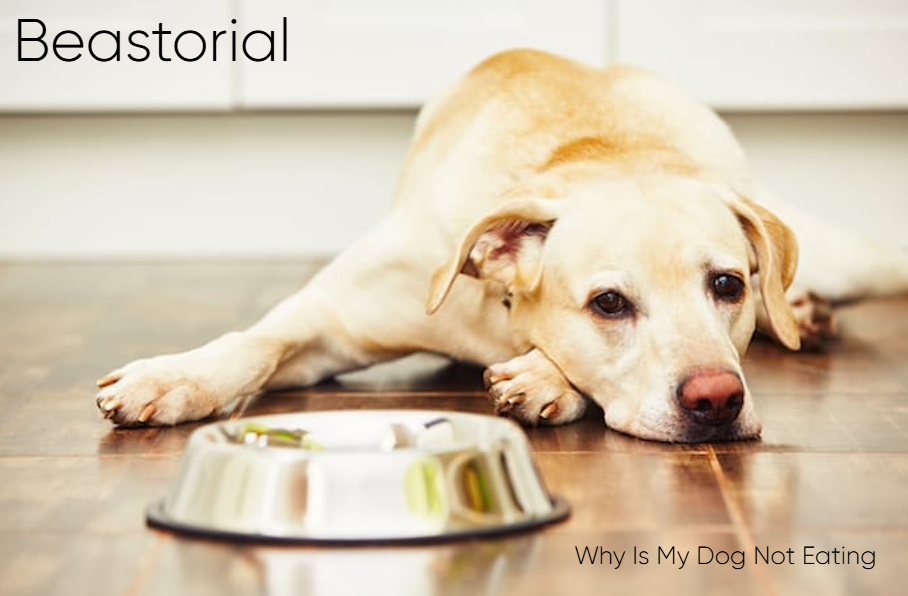
Why Is My Dog Not Eating? The Complete Guide to Causes, When to Worry, and Home Remedies
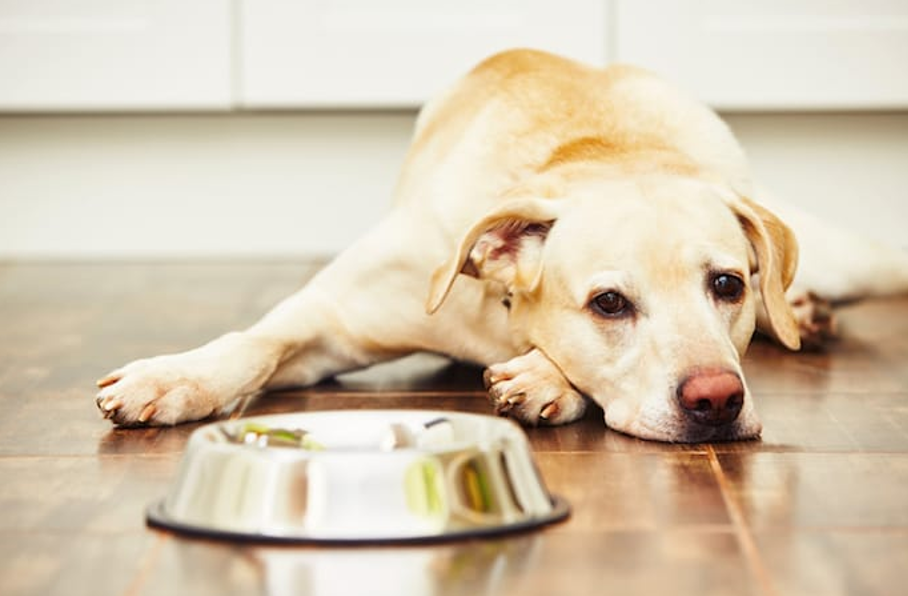
There are few sights more concerning to a dog owner than a full bowl being ignored by a dog who usually devours their meals. A sudden or persistent loss of appetite, medically termed anorexia (a true lack of hunger), is not a disease in itself but a symptom – a critical sign that something is amiss.
While a healthy dog skipping a single meal is usually no cause for alarm, a persistent refusal to eat requires immediate investigation. This issue can range from simple pickiness, which we address if your dog won’t eat but acts normal, to a life-threatening medical emergency. This comprehensive, expert-reviewed guide will help you efficiently narrow down the cause and understand the critical 24-48 hour window where veterinary intervention becomes essential. Our priority is your dog’s safety; never delay contacting your veterinarian.
Medical Reasons: When a Loss of Appetite Signals Serious Illness
When your dog-your best friend, your furry family member-suddenly turns away from their dinner, a wave of cold panic is completely natural. As experts, we understand that this is more than just a missed meal; it’s a terrifying sign that your dog may be silently suffering. A complete refusal to eat in a dog that previously had a healthy appetite is almost always a signal of an underlying medical issue. These conditions cause profound nausea, intense pain, or systemic malaise that simply overrides the desire to eat. If you see these signs, please trust your instincts and call your vet.
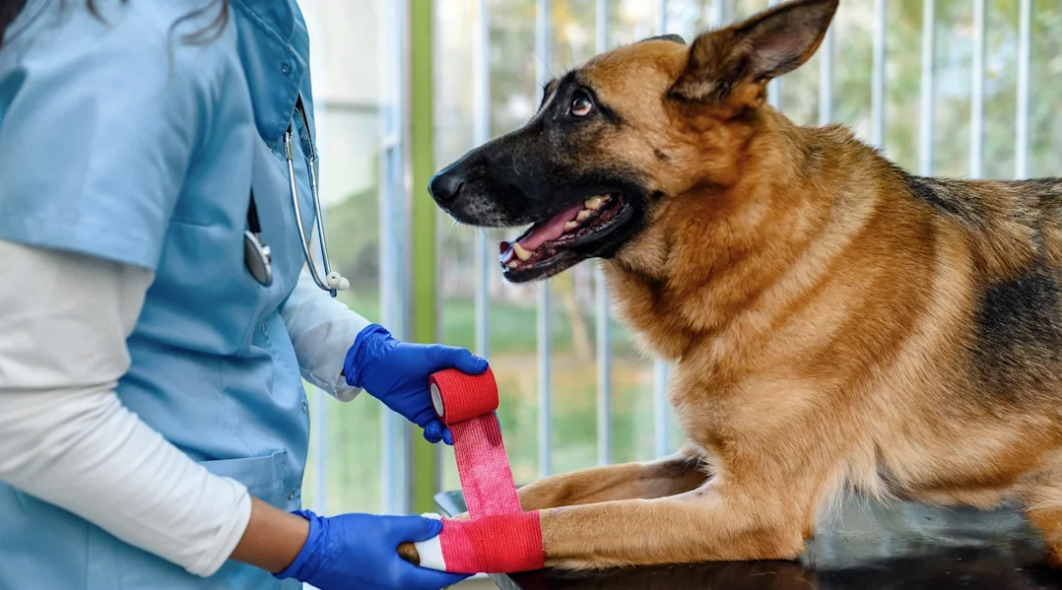
1. Dental and Oral Pain (A Hidden Culprit)
It is heartbreaking to watch your dog approach their bowl, sniff excitedly, but then retreat without taking a bite. This common frustration is often a clue that your dog isn’t unwilling to eat, but physically unable due to excruciating pain in their mouth-a condition known as pseudo-anorexia.
- The Silent Agony: Periodontal disease, loose or broken teeth, and painful gum abscesses are chronic sources of distress. Your dog may approach the food but wince when trying to bite down, making their favorite kibble feel like sandpaper.
- What to Look For: Excessive drooling, pawing at the face, dropping food repeatedly, or only wanting to lick up soft broth or wet food. If your senior dog only smells food but won’t eat or your dog, missing teeth, won’t eat hard food, dental pain is the most likely, yet often overlooked, culprit. Regular dental check-ups are essential to catch this silent agony early.
2. Gastrointestinal (GI) and Digestive Problems
The gut is the center of a dog’s well-being, and any disruption here sends an immediate, powerful signal to the brain: Stop eating. The resultant nausea can be overwhelming.
- The Misery of Pancreatitis: This is an acutely painful condition often triggered by eating high-fat food (like raiding the trash or getting fatty table scraps). The inflammation causes severe, persistent vomiting and a total shutdown of the appetite. We know how tempting it is to share food, but remember that a moment of indulgence can lead to days of intense suffering for your dog.
- The Emergency: Foreign Body Obstruction: If you suspect your dog has swallowed a non-food item (a sock, a piece of a toy), their refusal to eat, often accompanied by vomiting, is an emergency signal. The object is stuck, causing agonizing nausea and blocking all passage. This requires immediate veterinary intervention to save their life.
- What to Look For: Persistent dry heaving, abdominal pain (tensing up when touched), bloody diarrhea, or projectile vomiting. These are not signs you should “wait and see”-they demand an immediate trip to the emergency clinic.
3. Organ System Dysfunction and Systemic Illness
When major internal organs-the workhorses of the body-begin to fail, the body is essentially poisoned by its own waste products. This process causes a profound, deep-seated malaise that destroys the desire to eat.
- The Lethargy of Kidney or Liver Disease: As the liver or kidneys struggle to filter toxins, those waste products build up in the bloodstream (uremia). This toxin buildup causes a severe, persistent feeling of nausea, lethargy, and a complete distaste for food. This is particularly common in older pets.
- Cancer (Cachexia): Many types of cancer cause a systemic “wasting” syndrome called cachexia, which alters the body’s metabolism and diminishes appetite, even before the physical tumor causes pain.
- What to Look For: A gradual, consistent decline in appetite over several weeks, excessive thirst, and noticeable weight loss. While difficult to process, recognizing these subtle signs early gives your vet the best chance to manage the condition.
4. Infections, Pain, and Medication Side Effects
Even common, necessary interventions or low-grade infections can temporarily turn your dog off their food, causing great worry.
- Post-Vaccination Nausea: It is deeply unsettling when you bring your puppy home after a vet visit, expecting cuddles, only to find them lethargic and refusing food. A mild, self-limiting fever or nausea is common after shots. If your puppy is not eating after vaccination and is tired, monitor them closely, but know that if this lasts longer than 48 hours, they need to be re-examined.
- Systemic Infections: Any active bacterial or viral infection, such as kennel cough or a severe bladder infection, will trigger a fever and a general feeling of illness, making food completely unappealing.
- Chronic Pain: Imagine having a bad back or throbbing knees-just the simple act of leaning down to eat can become unbearable. Chronic pain from arthritis or disc disease can cause a dog to associate feeding time with discomfort, leading to avoidance.
- What to Look For: Check your dog’s gums (they may be pale), take their temperature if you can safely, and confirm they are still drinking water. Any pain that changes their posture or makes movement difficult warrants a pain management plan from your veterinarian.
Behavioral & Environmental Factors: Stress, Anxiety, and Pickiness
If you’ve ever had the baffling experience of watching your dog skip dinner only to race outside and happily chase a squirrel, you know the frustration. “My Are they trying to drive me crazy?”
This is the segment where we acknowledge that sometimes, the issue isn’t inside their body-it’s outside, in their environment, or simply between their ears. Stress, fear, and even boredom can hit your dog’s appetite just as hard as an upset stomach. When your vet gives your dog a clean bill of health, these subtle factors are the next place to look.
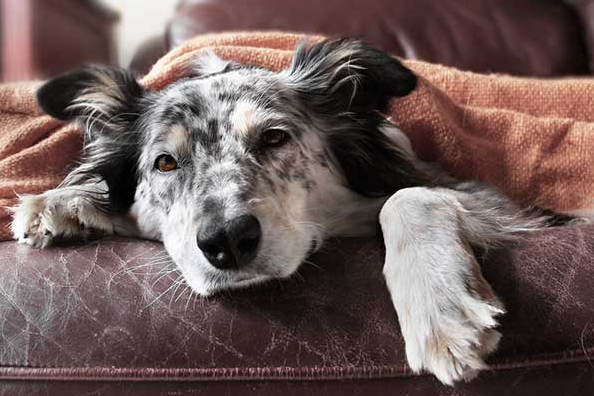
1. Environmental Stress and Anxiety: The Dinner-Time Jitters
Dogs thrive on routine and comfort, and any disruption to their world can cause a temporary, but significant, shutdown of appetite. It’s their emotional “reset” button.
- The Big Changes: Major life events-a move, a new baby, a spouse leaving on a trip, or the introduction of a new pet-can generate enough low-level anxiety to cause a temporary aversion to food. We often forget that these changes are as stressful for them as they are for us.
- The Power of Place: The location of the bowl itself can be the culprit. Is it near a constantly running washing machine? Is it in a high-traffic hallway where a curious toddler keeps walking by? A dog needs to feel secure to eat.
- A Familiar Frustration: If you recently moved, and your dog is not eating after moving house, stress is evident. Know that this is extremely common. Give them time. Their sense of smell is their primary security blanket, and when all the familiar smells are gone, they may just be too anxious to settle down and eat.
2. Food Aversion and Preference Changes: The “Pickiness” Trap
It’s easy to label a dog a “picky eater,” but often, their hesitation comes from a logical, albeit inconvenient, place.
- Dietary Fatigue (Kibble Boredom): Yes, dogs can absolutely get bored with eating the same brown pebbles every day, for years. They might not be starving, just uninspired. While some dogs are chow-hounds, others crave variety.
- The Treat Conundrum: Be honest: Have you slipped your dog too many cheese cubes or too much human food lately? If your dog knows holding out will eventually result in a tastier reward, they are not picky-they are smart. You’ve simply taught them that the kibble is the low-value option.
- Negative Association: Did your dog get sick shortly after eating a new bag of food? Even if the food wasn’t the cause, your dog’s phenomenal memory might associate that specific smell or shape with nausea, leading to a profound aversion. This isn’t stubbornness; it’s self-preservation.
3. Competitive Eating and Bowl Placement
Appetite can also be a social problem, particularly in homes with multiple pets.
- The Bully in the Room: In a multi-dog household, a less assertive dog may feel intense pressure or fear of resource guarding from a housemate. They might only feel safe eating late at night when everyone else is asleep, or they might refuse to eat entirely. This isn’t just about food – it’s about security.
- The Timing is Off: Some dogs are truly not morning eaters, especially adolescents. If you stress over putting their food down at 6 AM sharp, only to have them ignore it, try offering it slightly later. Don’t let your rigid human schedule dictate their natural hunger rhythm. Removing the food after 15 minutes and offering nothing else until the next meal can reset this dynamic.
By understanding that these behavioral signs stem from genuine emotion – fear, anxiety, or simple preference learning – you can approach the problem with patience and effective strategy, rather than just frustration.
When to Panic (And When to Call the Vet): The 24/48 Hour Rule
We know that a major source of anxiety for any dog owner is the uncertainty: “How long is too long?” The truth is, a healthy adult dog can often miss one or even two meals without catastrophic consequences, especially if they are just being picky. But when the clock keeps ticking, the danger of dehydration, electrolyte imbalance, and underlying disease escalates rapidly. Knowing these time limits is the difference between safe monitoring and a critical delay.
1. The 24-Hour and 48-Hour Thresholds
- The 24-Hour Mark: If your adult dog has refused all food for a full 24 hours, it’s time to stop the home remedies and call your primary veterinarian. This is especially true if they are exhibiting other mild symptoms, like low energy or soft stool. Do not wait longer than this if your dog is a small breed, a puppy, or a senior, as their reserves are much smaller.
- The 48-Hour Emergency: If 48 hours have passed and your dog has taken no solid food, it is an emergency. This is specifically when to worry dog hasn’t eaten in 48 hours. At this point, the underlying issue is serious, and the dog is at risk of metabolic complications. Do not try to tempt them further; they need professional diagnosis and likely supportive care (IV fluids, anti-nausea medication).
2. Accompanying Symptoms (Red Flags)
A lack of appetite combined with any of the following symptoms immediately overrides the 24-hour rule. If you observe these, call your emergency veterinarian (ER) right away. Your dog’s life depends on rapid action.
| Symptom Present | Level of Concern | Action Required |
|---|---|---|
|
Not Eating & Repeated Vomiting |
High Emergency |
Immediate Vet Visit/ER |
|
Not Eating & Abdominal Swelling (Bloat) |
Critical Emergency |
Immediate ER (Do not wait) |
| Not Eating & Severe Lethargy (won’t move) |
High Concern |
Vet within 12 hours |
| Not Eating & Bloody Diarrhea/Tarry Stool |
High Concern |
Immediate Vet/ER |
| Not Eating, But Drinking Water |
Moderate |
Monitor closely for 24 hours |
Actionable Solutions: How to Gently Encourage Your Dog to Eat
Once you have ruled out a medical emergency with your veterinarian or if your dog is recovering from a temporary illness, the next step is encouraging them to eat safely. When a dog has gone a long time without food, their stomach can become sensitive, so we must tempt them gently and strategically.
Always consult your veterinarian before introducing any new food to a sick or recovering dog.
1. The Art of Temptation Feeding (Food Hacks)
When the goal is simply getting any calories into your dog, you need to appeal to their most primal sense: smell.
- Warm it Up: The single most effective trick is gently warming the food. Heating wet food or kibble moistened with broth for just 10-15 seconds in the microwave dramatically increases its aroma, making it much more appealing to a dog with a suppressed appetite.
- The Bland Diet Baseline: When figuring out tricks to get a dog to eat when sick, the bland diet is your safest starting point. Offer small amounts of plain, boiled white rice mixed with plain, boiled, skinless, boneless chicken breast. This is easy on the sensitive stomach and is highly palatable.
- The Broth Boost: Add a small amount of low-sodium chicken or beef broth (ensure it contains no onion or garlic powder, which are toxic to dogs) to their regular kibble. This makes the kibble softer, smellier, and more enticing.
2. Food Toppers and Enhancers for Picky Eaters
If you are dealing with a long-term picky eater who has been declared healthy, or you want to enhance a recovery meal, adding high-value toppers can break their food strike.
- Yogurt or Pumpkin: A spoonful of plain, unsweetened yogurt (which contains beneficial probiotics) or canned plain pumpkin (not pie filling!) can be mixed into the food. These are healthy, tempting, and easy on the digestion.
- Canned Fish: Adding a few flakes of canned tuna or sardines (packed in water, low-sodium) is a highly smelly, appealing source of healthy omega-3 fatty acids.
- Finding the Best Toppers: When searching for the best dog food toppers for picky eaters, look for veterinary-approved supplements or simple, single-ingredient human foods (like a tiny bit of cottage cheese) that can be easily mixed in without disrupting the nutritional balance of their primary diet.
- The Hand-Feeding Method: If appetite is still low, try offering a small amount of the food from your hand. Sometimes, the physical connection and encouragement from you is enough to start the feeding process.
3. Environmental and Routine Adjustments
Sometimes, the simplest changes to how and where you feed them solve the problem completely.
- Create a Sanctuary: Move the food bowl away from high-traffic areas, noisy appliances, or other pets. A quiet, stress-free corner of the house allows your dog to focus on eating without anxiety.
- Try a Raised Bowl: If you have an older dog or a dog with neck or back pain (like arthritis), leaning down to the floor can be genuinely uncomfortable. A raised feeding station can make a huge difference in their ability and willingness to eat.
- The 15-Minute Rule (Tough Love): If you constantly offer alternatives, you train your dog to be picky. Put the food down for 15 minutes. If it’s untouched, pick it up and offer nothing until the next scheduled meal. This reinforces that the food available now is the only food available, shifting the power dynamic from the dog back to the owner.
Implementing these gentle, yet firm, strategies can help coax your dog back to a healthy appetite and restore peace of mind in your household.
Final Thoughts on Canine Appetite Loss
If you have reached the end of this guide, it is because you are a worried, loving pet parent who sees your dog not just as an animal, but as family. That knot of anxiety you feel when they skip a meal is a testament to the depth of your bond. Remember that the loss of appetite is rarely the whole story; it is a symptom, a flashing warning light from your dog’s complex system telling you something is wrong.
You are their voice, their protector, and the one who knows their normal best. Trust that instinct. Use the knowledge here to guide your next steps, but never to replace the care of a professional. When you stand between your beloved companion and potential suffering, the decision to seek help is always the right one.
When in doubt, always call your veterinarian.
Your dog’s unwavering trust in you deserves your immediate, dedicated action.
Frequently Asked Questions (FAQs)
My dog is completely refusing food, but he is drinking water. Does this mean it’s not serious?
This is one of the most common scenarios that causes relief—and confusion—for owners. While drinking water is definitely a positive sign (it helps stave off severe dehydration, which is a rapid killer), it absolutely does not mean the underlying issue isn’t serious. A dog will often drink because the body is demanding hydration, even if the stomach is too nauseated or painful to accept food. Think of it this way: your dog is doing the bare minimum to survive. If your dog still won’t eat after 24 hours, even if they are drinking, please call your vet. Your dog may still be fighting a painful infection, pancreatitis, or significant organ upset that requires medical treatment.
Why is my senior dog suddenly picky? It feels like he’s losing his joy for food.
It is heartbreaking to watch a dog who once loved mealtime lose their enthusiasm as they age. Your feeling that he’s losing his joy is likely spot-on, but it’s often due to physical discomfort, not simply old age. Senior dogs frequently develop hidden arthritis pain that makes it uncomfortable to bend their neck down to the bowl, or they suffer from smell and taste deterioration that makes their familiar food unappealing. Don’t blame yourself for their pickiness. Instead, try warming the food gently to boost the aroma, or switch to a raised bowl to ease the pressure on their joints. These small changes can bring the joy back to their dining experience.
My puppy skipped one meal and I’m terrified it’s Parvo. Am I overreacting?
Your fear is understandable! Parvovirus is a devastating word, and your protective instincts are running high. While Parvo is a very real danger, especially in unvaccinated or young puppies, skipping one meal is usually not the first sign. We worry most when a puppy stops eating and combines that with lethargy, repeated vomiting, or foul-smelling diarrhea. If your puppy skipped one meal but is still playful, alert, and drinking, you are likely overreacting—but in the most loving way possible. Offer them a small bland meal and monitor them closely. If they miss a second meal, or if vomiting starts, call the vet immediately. It is always better to be the “over-cautious” owner than the one who waited too long.
I can’t afford an emergency vet visit right now. What is the absolute minimum I need to look for before rushing in?
We understand that the cost of emergency care adds immense stress to an already terrifying situation. If your dog is refusing food, focus relentlessly on these three non-negotiable red flags:
- Gums: Press your finger against their gums. If the color doesn’t return to pink almost immediately, or if the gums are pale/white, this signals shock or severe blood loss—GO NOW.
- Abdomen: Is their belly bloated, hard, or distended? Are they dry heaving or trying to vomit with no results? This signals Bloat (GDV) and is a life-or-death emergency demanding immediate, non-negotiable action.
- Lethargy: Is your dog so tired they won’t even lift their head when you call their name?
If your dog is missing food but is still alert and responsive, you can usually monitor for a few hours (up to 24 hours in a large, healthy adult). But if you see any of those three symptoms, please, put the worry about the bill aside and prioritize their survival.